
Room Additions Made Easy: Expanding Your Home with Amazing Renovations
April 20, 2026As families grow, lifestyles evolve, and property values rise, many Houston homeowners face a common challenge: how to create more space without moving. Room additions have become one of the most practical and rewarding solutions, allowing homeowners to expand their living areas while increasing comfort and long-term property value.
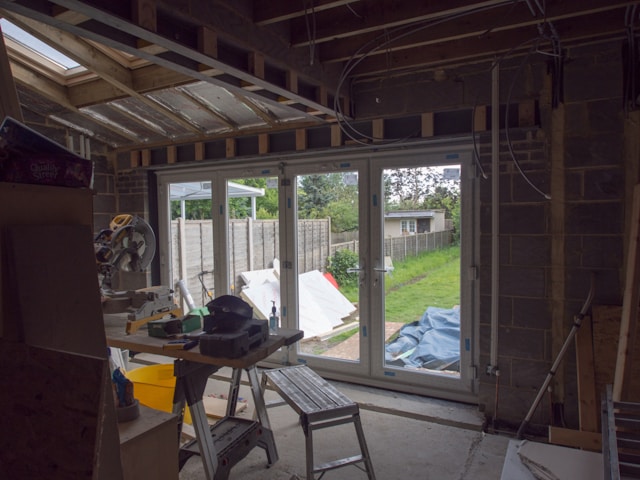
Whether you’re considering a new bedroom, home office, sunroom, or expanded kitchen, room additions offer flexibility that buying a new home simply cannot match. With the right planning and professional execution, expanding your home can be a seamless and highly beneficial investment.
This guide explores everything you need to know about room additions from planning and costs to design ideas and long-term value while highlighting how expert renovation services can simplify the entire process.
What Is a Room Addition?
A room addition involves building new livable space onto your existing home. Unlike simple renovations, which improve current areas, additions increase your home’s square footage.
Common types of room additions include:
- Extra bedrooms for growing families
- Home offices for remote work
- Expanded kitchens or dining areas
- Guest suites or in-law units
- Sunrooms or enclosed patios
- Second-story additions
Each type serves a different purpose, but all share one key benefit: more functional space tailored to your needs.
Why Homeowners Choose Room Additions
1. Avoiding the Cost of Moving
Relocating comes with major expenses—realtor fees, closing costs, moving services, and higher property prices. A room addition allows you to stay in your current location while upgrading your living space.
2. Increasing Property Value
Adding square footage is one of the most effective ways to boost a home’s market value. Buyers are often willing to pay significantly more for homes with additional functional space.
3. Customization and Personalization
Unlike buying a new home, room additions give you full control over design, layout, and features. You can create a space that perfectly fits your lifestyle.
4. Adapting to Lifestyle Changes
From growing families to remote work needs, life changes quickly. Room additions provide the flexibility to adapt without disruption.
Popular Types of Room Additions in Houston
Houston homeowners often prioritize additions that align with climate, lifestyle, and property trends.
Bedroom Additions
Ideal for families needing more space or homeowners planning for guests. These additions are straightforward and offer strong resale value.
Kitchen Expansions
Kitchens are the heart of the home. Expanding them improves functionality, storage, and overall appeal.
Home Offices
With remote work becoming more common, dedicated office spaces are now a top priority.
Garage Conversions
Transforming unused garage space into livable areas is a cost-effective way to add square footage.
Outdoor Living Spaces
Covered patios, sunrooms, and enclosed outdoor areas are especially popular in Texas, where outdoor living is part of the lifestyle.
Planning a Successful Room Addition
A well-executed room addition starts with careful planning. Skipping this phase can lead to delays, budget overruns, and design issues.
Define Your Goals
Start by identifying your primary need:
- More living space
- Increased home value
- Improved functionality
Clear goals help guide design and budgeting decisions.
Set a Realistic Budget
Costs vary depending on size, materials, and complexity. It’s important to account for:
- Construction costs
- Permits and inspections
- Design and architectural fees
- Unexpected expenses
Understand Local Building Codes
Houston has specific regulations for home additions. Permits are typically required, and projects must meet zoning and safety standards.
Work with Professionals
Hiring experienced contractors ensures:
- Proper design and structural integrity
- Compliance with local regulations
- Efficient project management
Cost Breakdown of Room Additions
The cost of a room addition depends on several factors, including size, materials, and labor. Below is a general comparison of common addition types:
| Type of Addition | Average Cost Range | Complexity Level | ROI Potential | Time to Complete |
|---|---|---|---|---|
| Bedroom Addition | $20,000 – $60,000 | Medium | High | 4–8 weeks |
| Kitchen Expansion | $30,000 – $100,000+ | High | Very High | 6–12 weeks |
| Home Office | $15,000 – $50,000 | Medium | Medium to High | 3–6 weeks |
| Garage Conversion | $10,000 – $40,000 | Low to Medium | Medium | 2–5 weeks |
| Sunroom/Patio Enclosure | $15,000 – $70,000 | Medium | Medium | 4–8 weeks |
| Second-Story Addition | $100,000 – $250,000+ | Very High | Very High | 3–6 months |
These estimates can vary based on customization, materials, and contractor expertise, but they provide a solid starting point for planning.
Design Considerations for Seamless Integration
One of the biggest challenges in room additions is ensuring the new space blends seamlessly with the existing structure.
Architectural Consistency
The addition should match your home’s style, roofline, and exterior materials to maintain curb appeal.
Interior Flow
New spaces should connect naturally with existing rooms, avoiding awkward layouts or transitions.
Lighting and Ventilation
Proper windows, lighting, and airflow are essential for comfort and energy efficiency.
Energy Efficiency
Incorporating modern insulation, windows, and HVAC systems can reduce long-term energy costs.
Common Challenges and How to Overcome Them
Budget Overruns
Unexpected costs can arise during construction. Setting aside a contingency fund (10–20%) helps manage surprises.
Permit Delays
Navigating local regulations can be time-consuming. Working with experienced professionals helps streamline approvals.
Structural Limitations
Some homes require foundation or structural upgrades before expansion. A thorough inspection can identify these issues early.
Disruption to Daily Life
Construction can be disruptive. Planning timelines and working with organized contractors minimizes inconvenience.
The Role of Professional Contractors
Room additions are complex projects that require expertise in multiple areas, including design, construction, and project management.
Professional contractors provide:
- Detailed project planning
- Accurate cost estimates
- Skilled labor and craftsmanship
- Compliance with safety and building codes
- Efficient timelines
Choosing a trusted renovation company ensures the final result meets both functional and aesthetic expectations.
Long-Term Benefits of Room Additions
Increased Home Value
Additional square footage directly impacts resale value, making room additions a strong investment.
Improved Functionality
More space means better organization, comfort, and usability.
Enhanced Lifestyle
Whether it’s a new office, larger kitchen, or guest suite, added space improves daily living.
Avoiding Market Uncertainty
Instead of navigating fluctuating real estate markets, you can upgrade your current home with confidence.
Is a Room Addition Right for You?
Room additions are ideal for homeowners who:
- Love their current location
- Need more space
- Want to increase property value
- Prefer customization over relocation
However, it’s important to evaluate your budget, timeline, and long-term goals before starting.
Final Thoughts
Expanding your home doesn’t have to be overwhelming. With the right planning, clear goals, and professional support, room additions can be a smooth and rewarding process.
From small upgrades like home offices to large-scale second-story expansions, the possibilities are endless. For Houston homeowners, investing in a room addition is not just about adding space—it’s about enhancing lifestyle, increasing value, and creating a home that truly fits your needs.
By understanding the process and working with experienced renovation professionals, you can transform your vision into reality—making your home more functional, comfortable, and future-ready.